


YOU HAVE REACHED
PREMIUM
CONTENT


PREMIUM ARTICLE: Subscribe To Keep Reading
$3.00
A Month (Billed Annually)
Cancel Anytime
$8.25
A Month (Billed Annually)
Cancel Anytime
$12.50
A Month (Billed Annually)
Cancel Anytime
Honor Our Heroes Program: Verify your Active Military, Veteran, or First Responder Status for Additional Discounts

| BENEFITS | READERS PASS | PATRIOTS | FOUNDERS |
|---|---|---|---|
| Daily and Breaking Newsletters | ✔ | ✔ | ✔ |
| Daily Caller Shows | ✔ | ✔ | ✔ |
| Ad Free Experience | ✔ | ✔ | ✔ |
| Exclusive Articles | ✔ | ✔ | ✔ |
| Custom Newsletters | ✔ | ✔ | ✔ |
| Editor Daily Rundown | ✔ | ✔ | ✔ |
| Behind The Scenes Coverage | ✔ | ✔ | |
| Award Winning Documentaries | ✔ | ✔ | |
| Patriot War Room | ✔ | ✔ | |
| Patriot Live Chat | ✔ | ✔ | |
| Exclusive Events | ✔ | ||
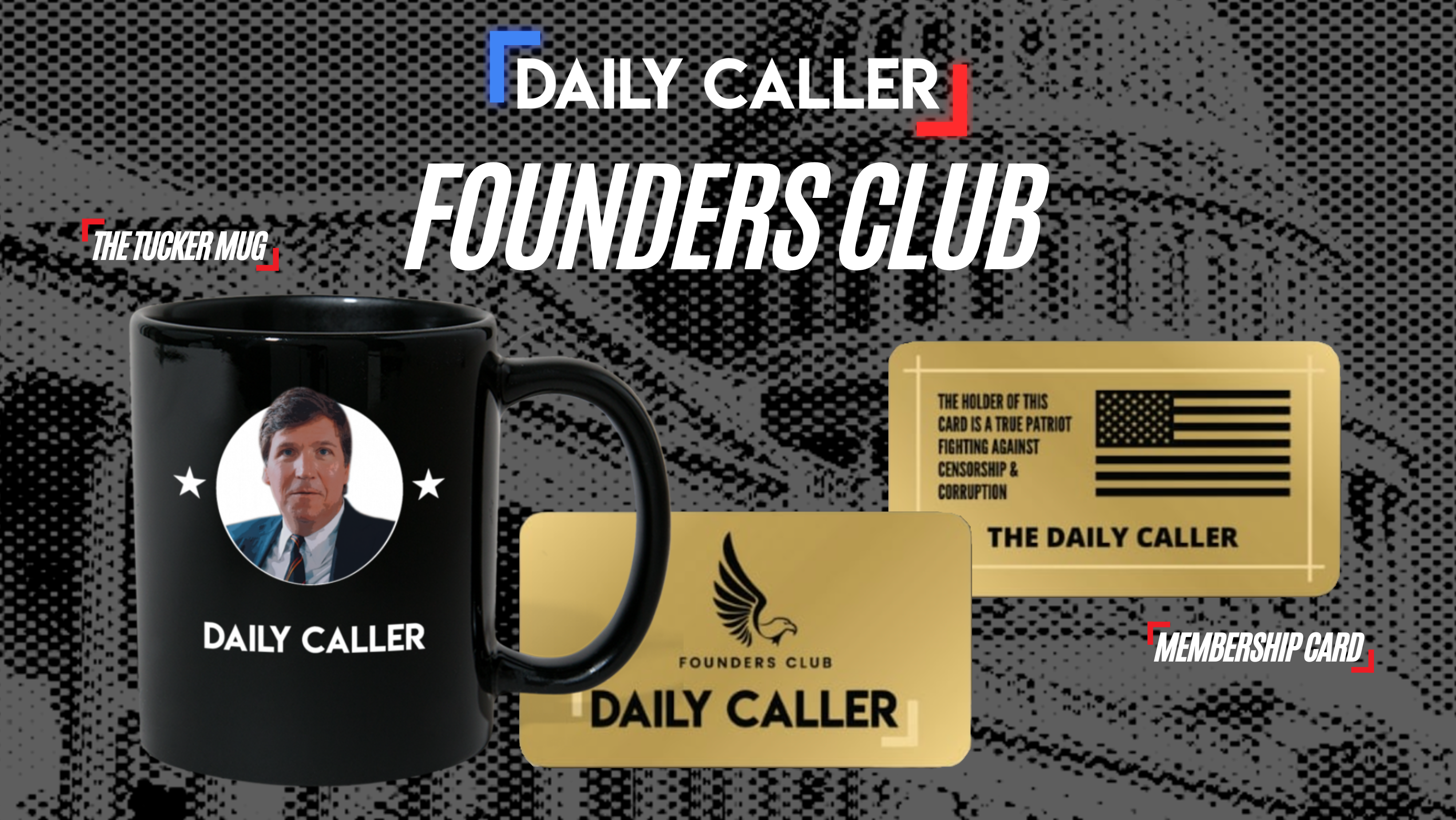
| Gold Membership Card | ✔ | ||
| Tucker Mug | ✔ |
Readers,
Instead of sucking up to the political and corporate powers that dominate America, The Daily Caller is fighting for you — our readers. We humbly ask you to consider joining us in this fight.
Now that millions of readers are rejecting the increasingly biased and even corrupt corporate media and joining us daily, there are powerful forces lined up to stop us: the old guard of the news media hopes to marginalize us; the big corporate ad agencies want to deprive us of revenue and put us out of business; senators threaten to have our reporters arrested for asking simple questions; the big tech platforms want to limit our ability to communicate with you; and the political party establishments feel threatened by our independence.
We don't complain -- we can't stand complainers -- but we do call it how we see it. We have a fight on our hands, and it's intense. We need your help to smash through the big tech, big media and big government blockade.
We're the insurgent outsiders for a reason: our deep-dive investigations hold the powerful to account. Our original videos undermine their narratives on a daily basis. Even our insistence on having fun infuriates them -- because we won’t bend the knee to political correctness.
One reason we stand apart is because we are not afraid to say we love America. We love her with every fiber of our being, and we think she's worth saving from today’s craziness.
Help us save her.
A second reason we stand out is the sheer number of honest responsible reporters we have helped train. We have trained so many solid reporters that they now hold prominent positions at publications across the political spectrum. Hear a rare reasonable voice at a place like CNN? There’s a good chance they were trained at Daily Caller. Same goes for the numerous Daily Caller alumni dominating the news coverage at outlets such as Fox News, Newsmax, Daily Wire and many others.
Simply put, America needs solid reporters fighting to tell the truth or we will never have honest elections or a fair system. We are working tirelessly to make that happen and we are making a difference.
Since 2010, The Daily Caller has grown immensely. We're in the halls of Congress. We're in the Oval Office. And we're in up to 20 million homes every single month. That's 20 million Americans like you who are impossible to ignore.
We can overcome the forces lined up against all of us. This is an important mission but we can’t do it unless you — the everyday Americans forgotten by the establishment — have our back.
Please consider becoming a Daily Caller Patriot today, and help us keep doing work that holds politicians, corporations and other leaders accountable. Help us thumb our noses at political correctness. Help us train a new generation of news reporters who will actually tell the truth. And help us remind Americans everywhere that there are millions of us who remain clear-eyed about our country's greatness.
In return for membership, Daily Caller Patriots will be able to read The Daily Caller without any of the ads that we have long used to support our mission. We know the ads drive you crazy. They drive us crazy too. But we need revenue to keep the fight going. If you join us, we will cut out the ads for you and put every Lincoln-headed cent we earn into amplifying our voice, training even more solid reporters, and giving you the ad-free experience and lightning fast website you deserve.
Patriots will also be eligible for Patriots Only content, newsletters, chats and live events with our reporters and editors. It's simple: welcome us into your lives, and we'll welcome you into ours.
We can save America together.
Become a Daily Caller Patriot today.

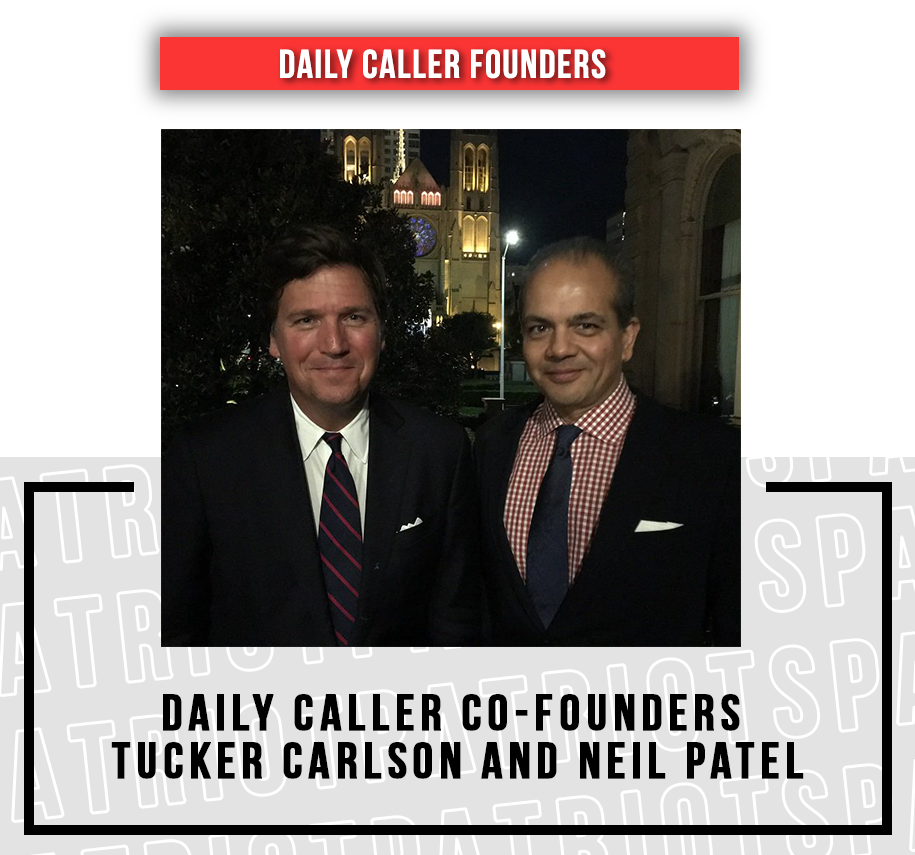
Neil Patel
CONTENT
CONTINUE READING FOR $120 $1
ALSO, ENJOY THE MANY BENEFITS OF PATRIOTS MEMBERSHIP


